
Are Your Smart Devices Watching You? Understanding Data Collection in the Connected Home
April 22, 2026
Smart technology has quickly become a part of everyday life. Devices like voice assistants, smart TVs, security cameras and connected thermostats help homeowners control lighting, temperature and entertainment with a simple command or tap on a phone. While these tools offer convenience, many consumers are beginning to ask an important question: Are smart devices collecting more information than people realize?
Many connected smart devices gather data to function at full capability. Voice assistants must listen for wake words, smart TVs track viewing habits to suggest content and some security systems store video footage in the cloud. Secure and reliable high-speed internet makes smart homes possible, but for households that value privacy, understanding how these devices collect and use information on personal networks is an important step toward building a safer connected home.
Why Smart Devices Collect Data
Most smart devices rely on data collection to provide their core features. Without it, many automated functions would not work.
For example, a smart thermostat may monitor temperature patterns in order to adjust heating and cooling schedules. Voice assistants process audio commands so they can respond with information or control other devices. Smart TVs often analyze viewing activity to recommend shows and advertisements.
Common types of data smart devices may collect include:
- Voice commands and audio recordings
- Device usage patterns and activity logs
- Location information from connected mobile apps
- Video or images from security cameras
- Viewing preferences from smart TVs and streaming platforms
In many cases this information helps devices function better. However, consumers may not always realize how much data is being stored or how it might be used by manufacturers and service providers.
How Smart Devices Can “Listen” Inside a Home
One of the most widely discussed privacy concerns involves voice-activated assistants. These devices remain in a listening mode so they can respond when they hear a wake word such as a device name or activation phrase.
While manufacturers state that recording begins only after the wake word is detected, reports have shown that devices may occasionally activate by mistake when they hear similar sounds or phrases. When this happens, short audio clips can be recorded and transmitted to cloud servers for processing.
Situations that may trigger unintended recordings include:
- Background conversations that resemble the device’s wake word
- Television dialogue or music containing similar phrases
- Multiple voice assistants located in the same home
- Devices placed near high-traffic areas like kitchens or living rooms
Although these recordings are typically brief, they highlight how always-connected devices interact with the home environment.
Smart TVs and Viewing Data
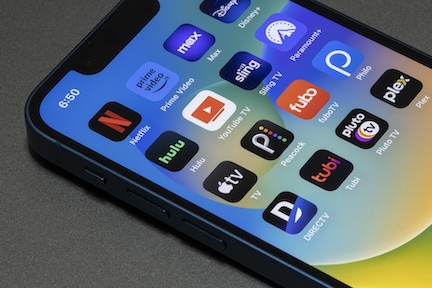
Smart televisions are another device category collecting significant user data. Many models use technology that tracks what viewers watch across streaming apps, broadcast channels and connected devices.
This viewing information may be used to personalize recommendations or deliver targeted advertising. Some manufacturers share aggregated viewing data with marketing partners in order to improve advertising performance.
Examples of information smart TVs may gather include:
- Channels or streaming services viewed
- Time spent watching specific programs
- Search queries entered through the TV interface
- Device identifiers connected to the home network
These features help improve content discovery but also demonstrate how connected devices learn about household habits.
Security Cameras and Cloud Storage
Smart security systems offer homeowners peace of mind through remote monitoring and motion alerts. However these systems often rely on cloud storage to archive footage. That means video recorded around the home may be uploaded to remote servers for processing and storage.
Depending on the device settings, stored footage may include:
- Entryway activity and visitor recordings
- Motion-triggered video clips
- Continuous video recordings in certain areas
- Images captured by doorbell cameras
Most providers use encryption and protocols to protect this data. Still, homeowners should research their security devices to understand where recordings are stored and how long they are retained.
Steps Homeowners Can Take to Protect Privacy
Connected technology does not have to mean sacrificing privacy. Many smart devices include settings allowing users to limit how much information is collected or stored.
Households can reduce potential privacy risks by taking a few practical steps.
- Review privacy settings when installing new smart devices
- Disable voice recording storage when possible
- Mute microphones on voice assistants when not in use
- Regularly update device software for security patches
- Use strong Wi-Fi passwords and secure home networks
Being proactive about device settings can significantly reduce the amount of data being stored or transmitted.
The Role of a Secure Internet Connection
Every smart device communicates through a home internet connection. A fast, reliable network is essential for device automation, remote monitoring and everyday online activities. At the same time, households should choose providers that prioritize secure infrastructure and reliable connectivity.
A well-designed network helps ensure smart home devices function properly while protecting data moving across the connection.
As smart technology continues to evolve homeowners will likely see even more connected devices entering their homes. Understanding how these tools collect information helps families make informed decisions about the technology they choose to use.